
Autumn Budget 2025
Our Overview of the Autumn Budget
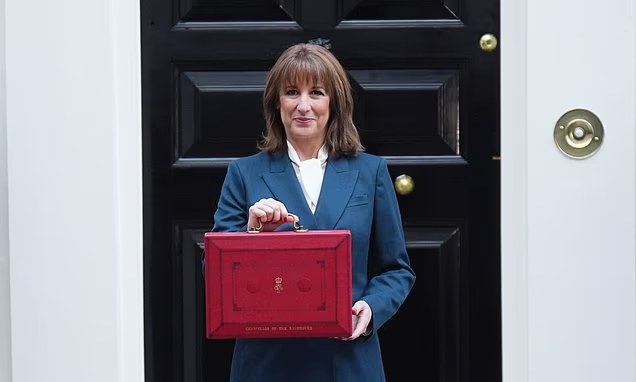
Rachel Reeves delivered her Autumn Budget against a difficult economic backdrop: slow growth, persistent inflation, rising unemployment, and higher interest rates continuing to squeeze both households and businesses. With welfare spending increasing and the fiscal gap widening, the Chancellor opted for a package of revenue-raising measures focused on stealth taxation, structural reforms and targeted levies on wealth, property and consumption.
Notably, despite widespread speculation, Reeves abandoned the proposed increase in income tax rates, which would have been the first rise since 1975. Instead, she chose a quieter but equally impactful route: a series of indirect tax increases designed to raise significant revenue without altering headline rates.
To help avoid pushing inflation higher, fuel duty will remain frozen (including the 5p cut) until 2026. However, the National Living Wage will rise from £12.21 to £12.71, which may feed through to higher prices and increased employment costs, especially following this year’s employer National Insurance rise.
On welfare, the Chancellor confirmed the two-child benefit cap will be removed from April 2026, and welfare payments will increase in line with inflation. These commitments, alongside wider spending pledges, require substantial funding.
To pay for this, the Budget leans heavily on:
Frozen income tax thresholds, pushing more earners into higher bands
A new tax on pension contributions through tighter salary sacrifice rules from 2029
A per-mile road tax for electric vehicles
A new annual mansion tax on properties valued over £2 million
Higher taxes on gambling, tourism and property-related income
Together, these measures form one of the most complex tax-raising packages in recent years, adding layers of taxation without touching income tax rates themselves.
This raises an important question: will this be enough? With public finances still under pressure, some will wonder whether additional tax rises may follow, and whether a straightforward income tax rise would ultimately have been more efficient than multiple smaller measures.
All Key Measures from Budget 2025
1. Personal Tax & Income
Income tax thresholds frozen further
Tax thresholds will be frozen for an additional three years from 2028, so more people move into higher bands as pay and inflation rise, generating £8bn extra.
Taxes on dividends, property and savings income increased
Tax on dividends, property income and savings income rises by 2 percentage points, expected to raise £2.1bn.
National Living Wage & Minimum Wage rises
From next April:
National Living Wage (age 21+) rises 4.1% to £12.71/hour.
Minimum wage for 18–20 year-olds up 8.5% to £10.85/hour.
Minimum wage for 16–17 year-olds and apprentices up 6% to £8/hour.
Student loan repayment threshold freeze
The student loan repayment threshold is frozen for three years.
2. Benefits, Welfare & Families
Two-child benefit cap scrapped
The two-child benefit cap will end from April 2026.
This cap currently restricts benefits for a third or later child born after April 2017.
Ending it is expected to lift around 450,000 children out of poverty and will cost about £2.3bn.
Youth Guarantee & apprenticeships
A new Youth Guarantee:
£820m to guarantee every young person either a college place, apprenticeship or tailored job support.
After 18 months, 18–21-year-olds will be offered paid work instead of benefits.
Books for school libraries
£5m for secondary schools to buy more books for their libraries.
3. Pensions & Retirement
National Insurance on salary-sacrifice pension contributions
From April 2029, National Insurance will be charged on salary-sacrificed pension contributions above £2,000 per year.
Expected to raise £4.7bn and starts in 2029.
State pension increases
Basic state pension: £440 per year rise.
New state pension: £575 per year rise.
4. Savings & Investments
Cash ISA reforms
For most savers:
Maximum tax-free amount into cash ISAs will be £12,000 per year, down from £20,000.
The intention is to nudge people towards Stocks & Shares ISAs.
Over-65s:
Can still use the full £20,000 cash ISA allowance.
Capital gains relief for employee ownership trusts reduced
Capital gains tax relief on business sales to employee ownership trusts is cut from 100% to 50%, expected to raise £900m.
Stamp duty break for new stock market listings
A stamp duty holiday for companies newly listing on the London Stock Exchange will apply for three years.
5. Property, Housing & Inheritance
New “mansion tax” on high-value homes
Annual charge on homes worth more than £2m:
Properties £2m–£2.5m: pay £2,500 per year.
Homes around £5m: up to £7,500.
Expected to raise £400m, according to the OBR.
Business rates changes
Business rates reduced for 750,000 retail, hospitality and leisure properties.
Funded by higher rates on properties worth over £500,000 – including large warehouses used by online retailers such as Amazon.
Wider inheritance tax rules
Change to inheritance tax rules to allow transfer of 100% relief allowance between spouses.
6. Transport, Fuel & Environment
Gambling taxes
Remote gaming duty rises from 21% to 40%.
Online betting tax rises from 15% to 25%.
Aim is to raise over £1bn.
Bingo tax abolished from April.
Mileage tax on electric and plug-in hybrid vehicles
From April 2028:
Pure electric vehicles: 3p per mile charge.
Plug-in hybrids: 1.5p per mile.
Expected to raise £1.4bn.
Fuel duty freeze
Fuel duty on petrol and diesel frozen at 52.95p per litre until next September.
Cost to government: £2.4bn next year, then £900m each year after.
Rail fares frozen
Rail fares frozen for the first time in 30 years:
No increases on season tickets, peak returns and off-peak returns between major cities.
DLR (Docklands Light Railway) extension
Budget confirms the Docklands Light Railway will be extended to Thamesmead in southeast London.
Cut in energy bills and ECO scheme scrapped
Average annual energy bill cut by £150 from April by reducing levies.
The Energy Company Obligation (ECO) scheme, which supported fuel-poverty and carbon-reduction measures, will be scrapped.
Luxury cars removed from Motability
Luxury vehicles will be removed from the Motability scheme, which supports disabled people to lease a vehicle.
7. VAT & “Taxi Tax”
VAT on Uber, Bolt and other ride-hailing apps
Ride-hailing platforms like Uber and Bolt will pay the full 20% VAT on the entire fare, not just on their commission.
Expected to raise £700m a year.
8. Public Services, NHS & Prescriptions
NHS technology and community health centres
£300m to invest in NHS technology.
250 new neighbourhood health centres planned, with over 100 to be delivered by 2030, including centres in Birmingham, Truro and Southall.
Prescription charge frozen
The NHS prescription charge in England frozen at £9.90.
9. Defence, Growth & OBR Forecasts
Defence spending
Defence spending set at 2.6% of GDP.
Economic growth & inflation (OBR forecast)
GDP growth:
1.4% in 2026, down from an earlier 1.9% forecast.
Then 1.5% annually for the rest of the decade.
Inflation:
3.5% this year, 2.5% next year.
Fiscal headroom:
Chancellor now has £22bn of “headroom” in 2029–30 as a cushion against future shocks.
10. Nations & Regions
Funding for devolved governments
Additional funding:
Northern Ireland: £317m.
Wales: £505m.
Scotland: £820m.
Regional mayors
£13bn in “flexible” funding pledged for seven regional mayors to invest in skills, business support and infrastructure.
Conclusion: What This Budget Means for You & What to Do Next
The 2025 Autumn Budget marks one of the most significant tax shifts in over a decade. With rises to dividend, savings and property income tax, the new mansion tax, ISA allowance changes, frozen thresholds, mileage charges, pension salary-sacrifice reforms, and a host of sector-specific levies, the government has made its priorities clear: raise revenue, rebalance the tax system, and push capital towards long-term investment.
For many households, especially higher earners, landlords, investors and business owners, the implications are substantial. For others, such as pensioners, minimum-wage workers, and families affected by the two-child cap, there is meaningful support.
But the most important takeaway is this:
This Budget changes the landscape & how you plan now matters more than ever.
Tax thresholds will not rise with inflation. Dividend and savings income will be taxed more heavily. Cash ISA limits will fall for most. Pension contribution strategies may need updating before salary-sacrifice rules tighten. Property owners face new annual charges. And long-term investors must reconsider where their assets are held, how they are structured, and how best to protect returns.
At Cleveden Park Wealth, our role is to help you navigate this new environment with clarity and confidence. We can:
Review your tax position under the new rules
Optimise investments and ISAs before allowances change
Ensure pension contributions remain tax-efficient
Assess mortgage, property and cash-flow impacts
Identify opportunities the Budget may have opened — not just the challenges
The earlier you take action, the more options you will have.
If you’re unsure how these changes affect you, or you want a personalised plan aligned with the new rules, we’re here to help.


Comments